
A complete guide to detect and block remote access on Android. Learn how to secure your phone against hackers, spyware, and unauthorized control.
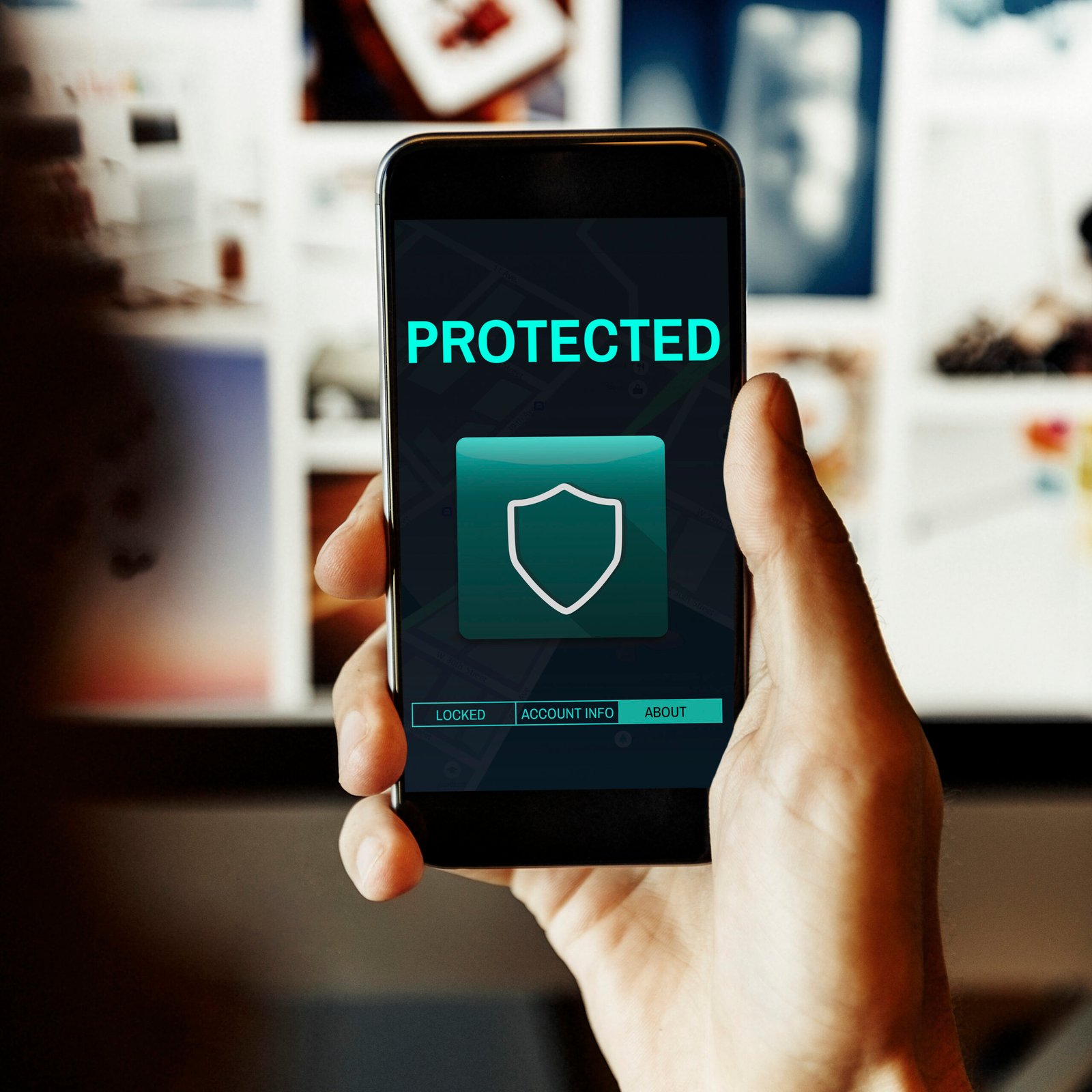
In a world where our phones hold our most private data from financial info to personal conversations—the threat of remote access is real. Whether through a malicious app, a compromised account or a weak security setting, someone can take control of your Android device and breach your privacy and security.
This guide will show you how to identify the signs of a compromised Android phone and a step by step security plan to block remote access and protect your personal info.
Before you take action, it's crucial to confirm whether your phone is being accessed remotely. While some of these symptoms can be caused by normal app behavior or glitches, a combination of them is a strong indicator of a security issue.
Unusual Battery Drain and Overheating: Malicious software running in the background can consume excessive CPU and power, causing your device to heat up and the battery to drain much faster than usual, even when not in use.
Suspicious Background Activity: Check for apps you don't recognize running in the background. Navigate to Settings > Apps > See all apps and review the list.
Excessive Pop-Up Ads: A sudden increase in pop-up ads, especially outside of your web browser, could mean that adware has been installed on your phone.
Strange Noises During Calls: Hearing odd echoes, static, or background voices on your calls may be a sign of a remote monitoring tool.
Slow Performance and Lag: Malicious software can hog system resources, causing your device to slow down, lag, or freeze for no apparent reason.
If you suspect your phone is compromised, take these actions immediately to sever any remote connections and stop unauthorized access.
Apps like TeamViewer or AnyDesk are legitimate tools for remote access, but they can be abused. Review your app list for any remote-control software you didn't install or no longer use.
Go to Settings > Apps.
Scroll through the list and uninstall any apps you don't recognize or trust.
To check for apps with high-level access, go to Settings > Special app access and review which apps have permissions to install other apps or draw over other apps.
If someone has your Google account credentials, they can use features like Find My Device to track and control your phone.
On a computer, go to the Google Device Activity page.
Review the list of devices signed into your account. If you see any unfamiliar devices, click on them and select Sign out to immediately revoke access.
This is the most basic yet most effective line of defense. A simple pattern is not enough to protect your data.
Go to Settings > Security.
Tap on Screen lock and choose PIN or Password.
Avoid using common or easy-to-guess combinations like birthdays, "1234," or simple patterns.
2FA adds an essential layer of security. Even if someone obtains your password, they can't log in without a second code sent to your trusted device.
Go to Settings > Google > Manage your Google Account.
Tap on the Security tab.
Under "Signing in to Google," enable 2-Step Verification and follow the prompts.
Once immediate threats are addressed, implement these long-term security habits to prevent future breaches and protect your Android phone.
Audit App Permissions: Regularly review what permissions you've granted to apps. A flashlight app, for instance, should not need access to your contacts or microphone.
Go to Settings > Privacy > Permission manager.
Tap on each permission (e.g., Camera, Microphone, Location) to see which apps have access. Revoke access from any app that doesn't need it.
Use a Reliable VPN: A Virtual Private Network (VPN) encrypts your internet traffic, making it nearly impossible for hackers to intercept your data, especially on public Wi-Fi. Download a trusted VPN app from the Google Play Store.
Install Antivirus/Anti-Malware Software: A reputable security app (like Bitdefender, Avast, or McAfee) can scan your phone for malicious software and block threats in real-time.
Disable "Developer Options": If you enabled this setting, it may have opened your phone to vulnerabilities like USB debugging.
Go to Settings > System > Developer options.
Switch the toggle to Off.
Keep Your Software Updated: Software updates from your phone's manufacturer and Google often contain critical security patches that fix known vulnerabilities.
Go to Settings > System > Software update.
Install any available updates immediately. Enable automatic updates if the option is available.
If you've tried all other methods and still believe your phone is compromised, a factory reset is the final and most effective option. This will completely wipe all data from your phone, so ensure you have a recent backup of your photos, contacts, and other important files.
Go to Settings > System > Reset options > Erase all data (factory reset).
Follow the on-screen prompts to reset your device to its original state.
Securing your Android phone from remote access requires a layered defense. Be aware of the signs of a breach and practice good security habits—from setting a strong lock screen to reviewing app permissions regularly—and you’ll reduce the risk of unauthorized access. Being proactive is the key to keeping your Android device and the data it holds safe and secure.
Look for signs like unfamiliar apps running, increased battery drain, unusual device temperature, strange noises during calls, and excessive pop-up ads.
Yes! Set strong screen locks, enable two-factor authentication, monitor apps and permissions, and disable remote access features like "Find My Device" when not needed.
Review installed apps, check battery usage, monitor for performance issues, and use security software to scan for malware. Signs like call interference or unusual ads are also red flags.
Immediately change your passwords, revoke any suspicious app permissions, run a malware scan, and if necessary, perform a factory reset to erase potential threats.
While a VPN enhances your security by encrypting your internet traffic, it’s also essential to monitor your apps, disable unnecessary permissions, and use secure passwords for full protection.